Makey Makey: Be a DancerMake: Makey Makey · Scratch
This project transforms a traditional screen-based gaming experience into a physical, embodied performance by creating a custom dance mat using Makey Makey and Scratch. By converting everyday conductive materials into a functional user interface, the project explores how physical computing can bridge the gap between digital logic and human movement.
Instructional Objectives
The curriculum is designed to move learners from passive consumption to creative "remixing" and physical experimentation:
· Mastery of Embodied Interaction: To demonstrate how conductivity can be learned through physical touch, where understanding emerges from completing circuits with one's own body rather than through abstract instruction.
· Development of Computational Thinking: To foster an understanding of underlying code logic through "remixing"—modifying existing open-source Scratch projects to incorporate new aesthetic choices and functional inputs.
· Creative Material Reimagination: To encourage learners to view familiar, everyday objects (such as aluminum foil) from a new perspective as potential interactive digital interfaces.
Pedagogical Framework
The associated Teaching Plan emphasizes the transition from digital code to tangible action:
· Code Deconstruction: Learners begin by analyzing the logic of key-pressed events in Scratch before mapping them to physical triggers.
· Hardware Prototyping: Students design and build their own sensors (dance pads) using conductive foil, focusing on the stability of physical connections and user ergonomics.
· Aesthetic Personalization: Beyond technical implementation, the project encourages learners to redesign game avatars and interfaces to reflect their personal identity and vision.
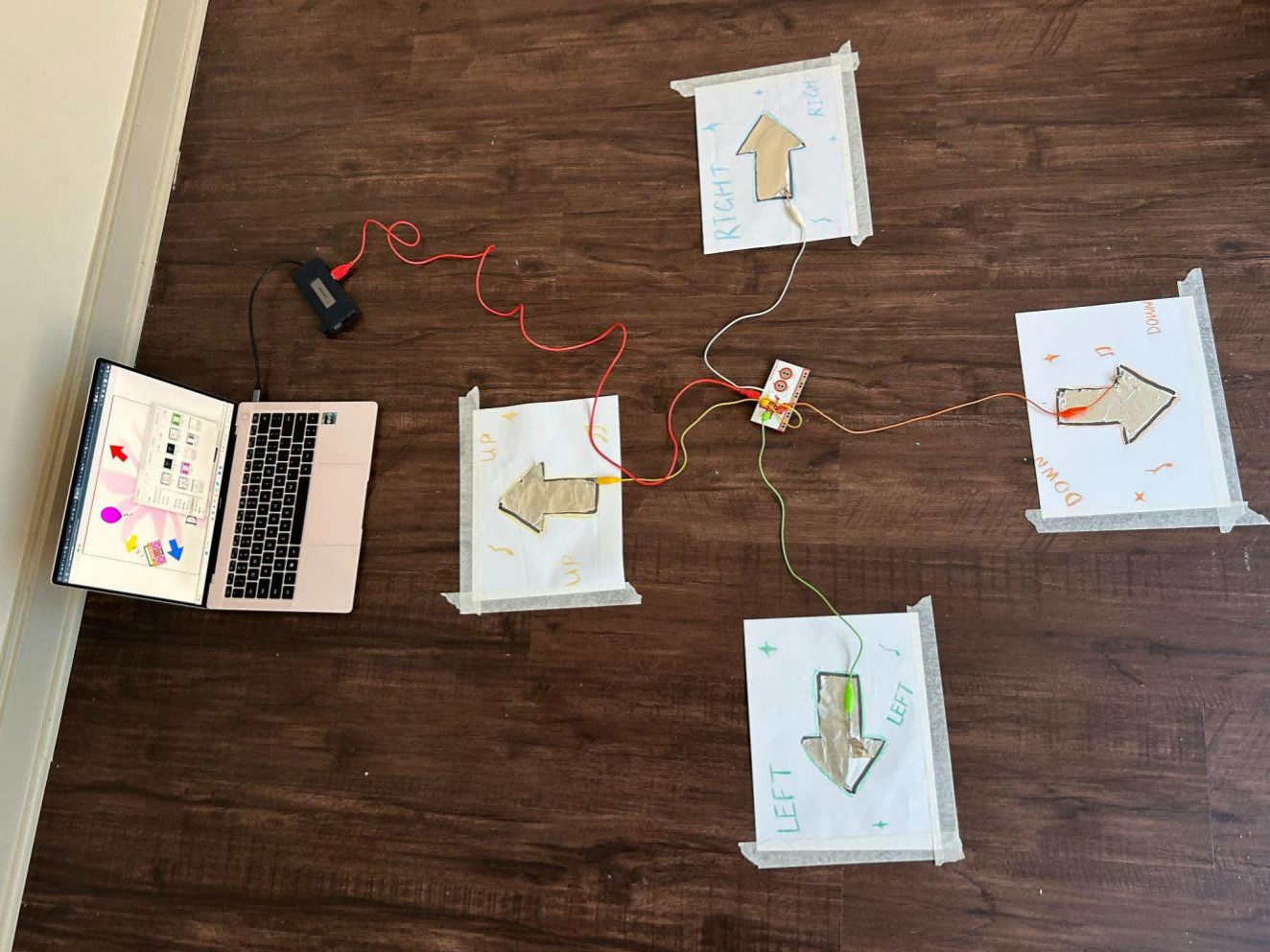
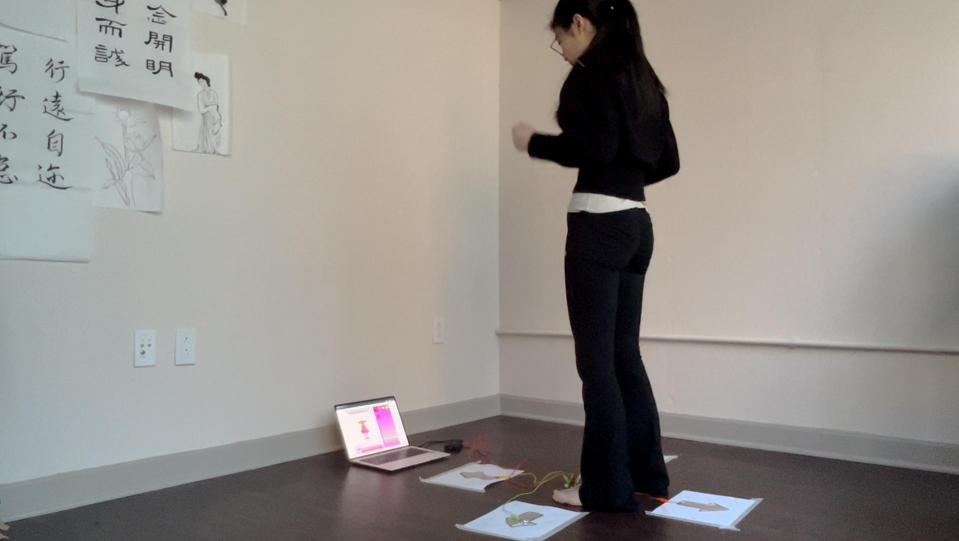
Access the full Instructional Design document below to see how Makey Makey can be used to facilitate embodied learning and creative programming.