Automata: The Cardboard Nightingale
This project utilizes the construction of a cardboard automaton, inspired by Hans Christian Andersen's The Nightingale, as a vehicle for exploring the relationship between mechanical artifacts and human expression. By transitioning from theoretical understanding to material practice, the design demonstrates how "craft intelligence" and iterative problem-solving serve as core components of the making process.
Instructional Objectives
The curriculum is designed to move learners beyond technical execution toward a critical reflection on technology and narrative:
· Development of Epistemological Pluralism: To support diverse learning styles by balancing "hard" logical planning with "soft," tactile experimentation through material interaction.
· Mastery of Iterative Design: To foster persistence and technical fluency by navigating mechanical failures, such as structural instability or insufficient force, through repeated testing and refinement.
· Exploration of Material Agency: To help students understand how the properties and limitations of physical materials (e.g., cardboard, wire, or wood) dictate the possibilities of motion and form.
· Integration of Narrative & Technology: To use making as a tool for literary analysis, allowing students to re-evaluate the "value" of mechanical artifacts as carriers of human creativity and intention rather than mere imitations of nature.
Pedagogical Framework
The associated Teaching Plan integrates automata-making into Process Drama, creating a multidisciplinary environment where:
· Foundational Scaffolding: Instructors provide a functional mechanical baseline before encouraging creative interpretation.
· Reflective Workmanship: Students spend dedicated time refining designs, shifting focus from "completion" to the care and persistence required for craftsmanship.
· Critical Dialogue: The making process serves as a springboard for discussing the boundaries between nature, artifice, and human expression.
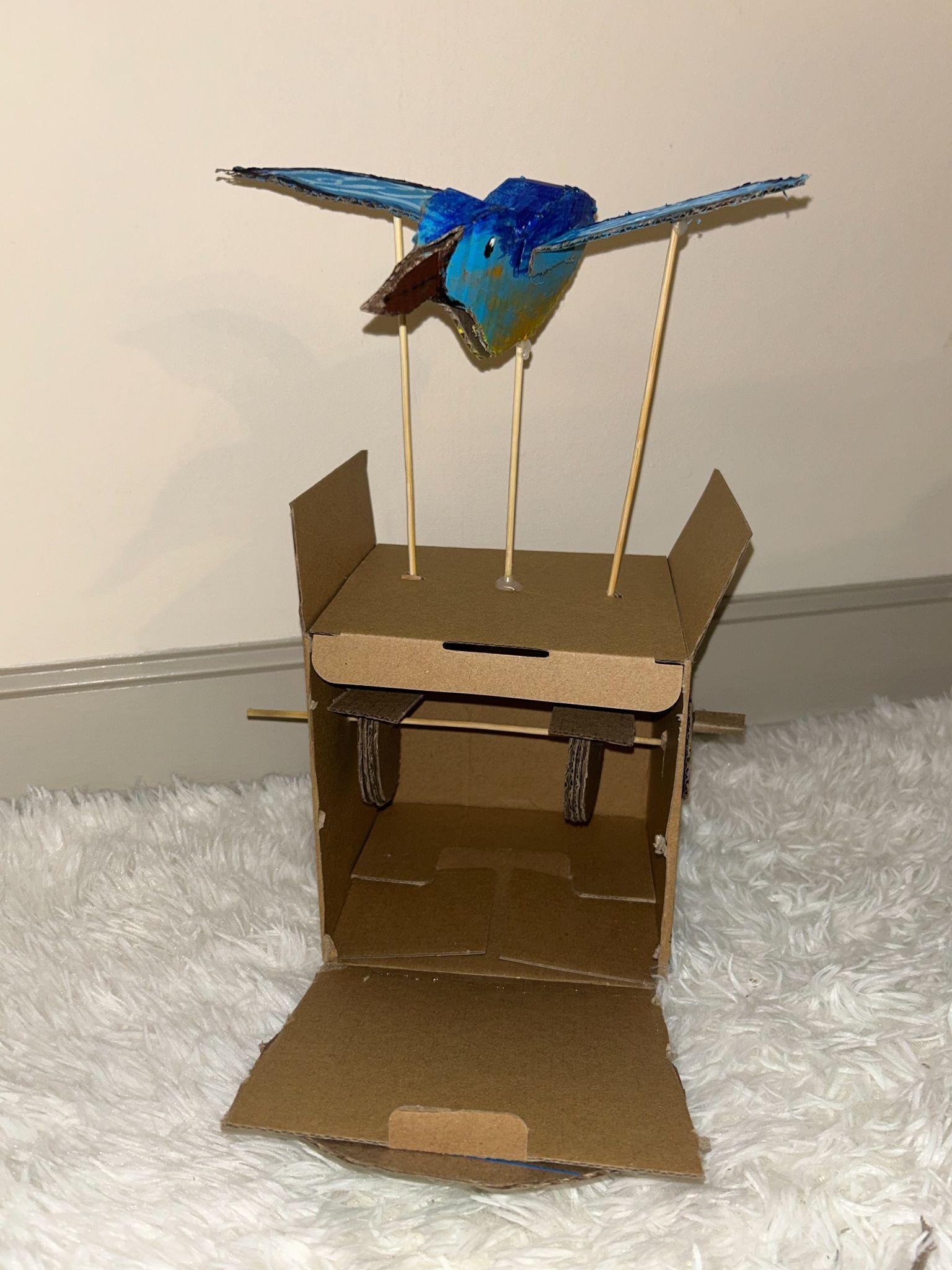
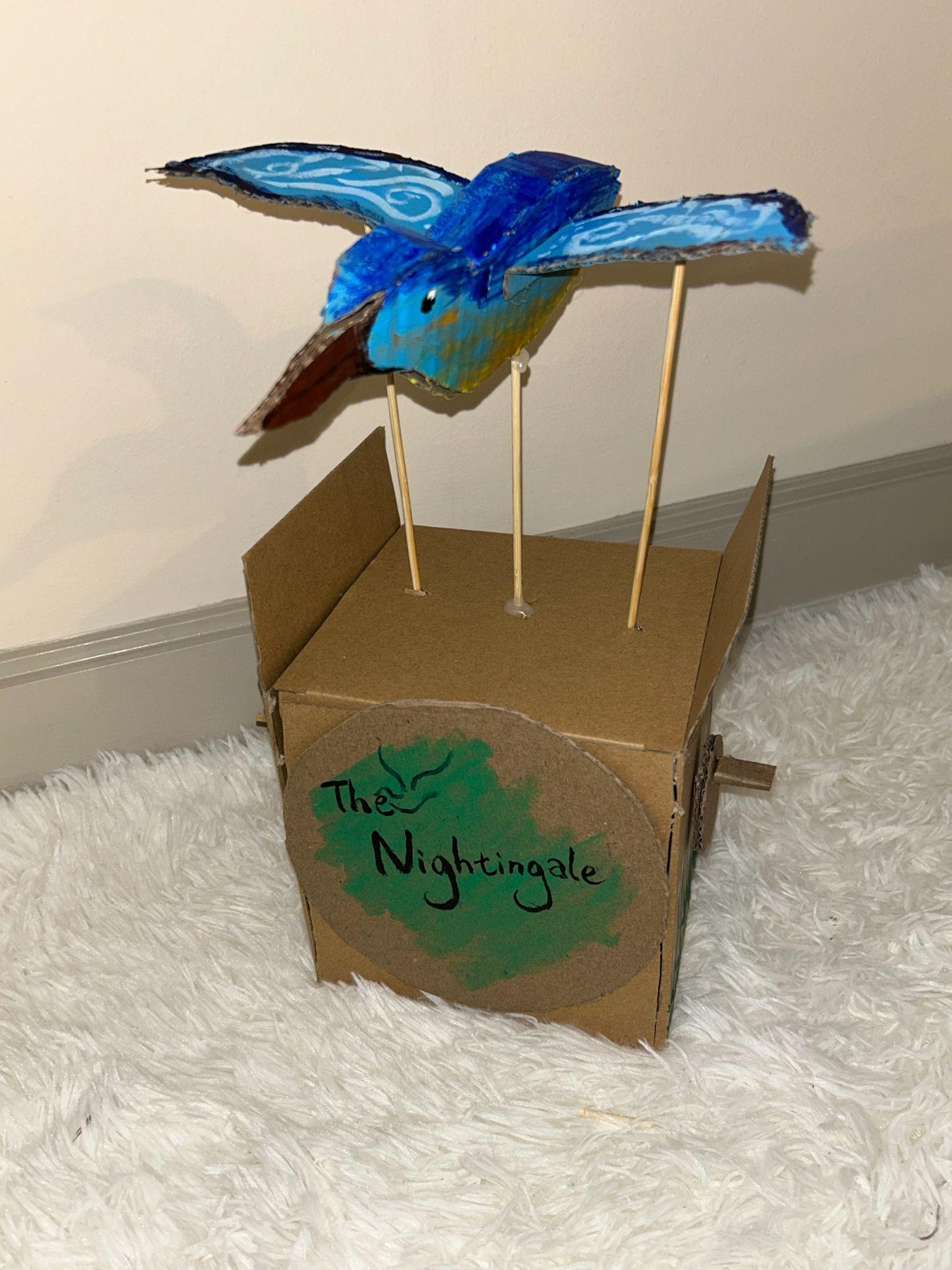
Access the full Instructional Design document below to see the detailed alignment of maker activities with cross-disciplinary learning standards.